In short
- Kraft looks natural and artisan; white shows colour logos and photos more vividly.
- Both can be grease resistant: check the lining or coating for hot, oily food.
- Choose by food, brand and print needs, then test with real orders.
What is kraft board?
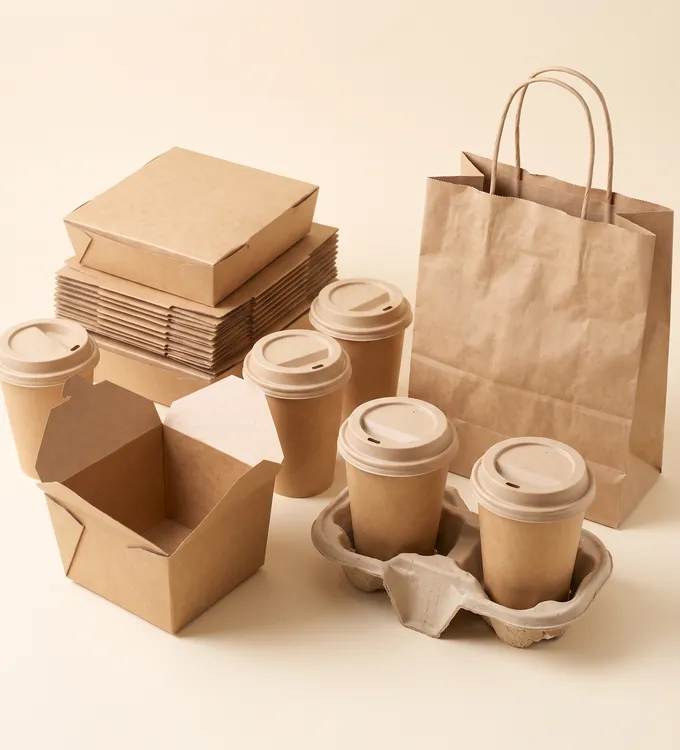
Kraft board is made from strong paper fibres and is usually brown. Many kraft boxes use recycled fibre, though not all. It has a natural, earthy look that suits bakeries, delis, street food and eco-minded brands.
What is white board?
White board has a bright, smooth surface that holds colour printing sharply. It suits brands with bold colours or detailed graphics, and food that benefits from a clean, bright look.
Kraft vs white at a glance
Use the table as a starting point. Your own food, brand and budget decide the final choice.
| Feature | Kraft | White |
|---|---|---|
| Look | Natural, earthy | Clean, bright |
| Logo printing | Best with one or two dark colours; light inks show less | Full colour and fine detail show well |
| Brand fit | Artisan, street food, eco-minded | Premium, modern, colourful brands |
| Often chosen for | Burgers, wraps, pastries, street food | Cakes, desserts, premium meals |
Grease, steam and sauces
Whatever the colour, hot, oily or saucy food needs a lining or coating that resists grease and moisture, and a lid that closes firmly. Steam can soften board on long journeys, so consider vents for crisp food such as chips and fried chicken.
- Ask whether the box is grease resistant
- Match the lid to the box and the food
- Vent crisp food to avoid sogginess
Recycling and sustainability
Whether a box can be recycled depends on its lining and on local facilities, and food residue can affect recycling. Ask your supplier for the specification and give customers clear disposal guidance.