In short
- In England, Scotland and Wales, polystyrene food and drink containers (such as takeaway boxes and cups) cannot be supplied; Northern Ireland is still developing its rules.
- In England, single-use plastic cutlery and stirrers are banned, while plates, bowls and trays are restricted with exemptions, for example when filled at the point of sale.
- Card and paper packaging is a common alternative, but check linings, and check official guidance because rules change.
What has been restricted
In England, since 1 October 2023, it is illegal to supply single-use plastic cutlery, drinks stirrers and balloon sticks, and food and drink containers made of expanded or extruded polystyrene that are ready to eat or drink from, such as takeaway boxes and cups. There are no exemptions for these items.
Single-use plastic plates, bowls and trays (as well as straws and cotton buds) are restricted rather than banned outright. They cannot be supplied to the public, but exemptions include supply to other businesses, use as packaging (such as a pre-filled ready meal tray) and plates, bowls or trays filled at the point of sale. The rules cover all single-use plastic, including biodegradable, compostable and recycled plastic, and items partly made of plastic, such as those with a plastic coating or lining.
Scotland introduced its own ban on 1 June 2022, covering items such as plastic cutlery, plates, stirrers and expanded polystyrene food and drink containers. Wales followed on 30 October 2023, starting with expanded polystyrene cups and takeaway food containers. Northern Ireland is still developing its rules, so check the latest guidance if you trade there.
What this means for takeaway packaging
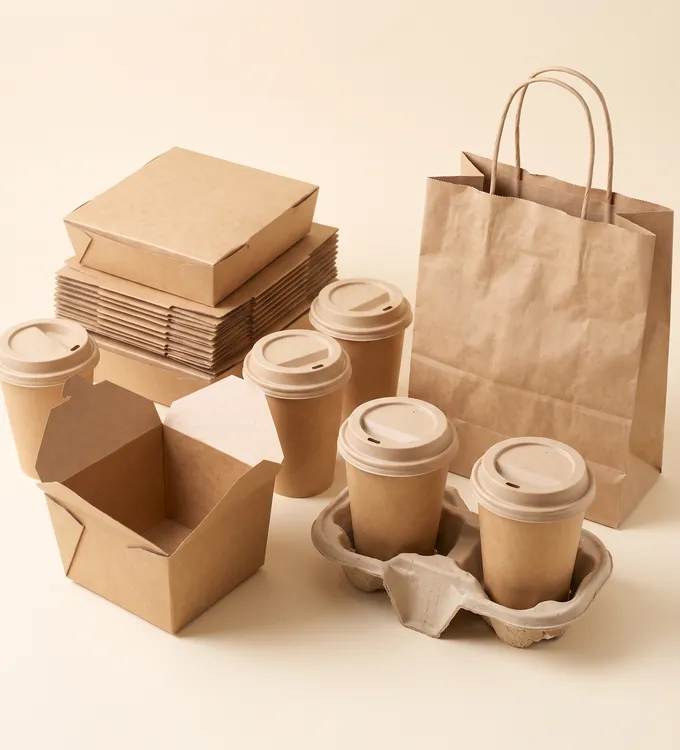
If you serve food in polystyrene boxes or cups, or hand out plastic cutlery or stirrers, you need to switch. Many food businesses use card, paper and other fibre packaging for boxes, cups and plates, and wooden or paper cutlery. Because plastic coatings and linings count for plates, bowls and trays in England, ask your supplier what each product is made from.
| Item | Restricted material | Common alternative |
|---|---|---|
| Food boxes | Expanded or extruded polystyrene | Cardboard or kraft board |
| Cups | Expanded or extruded polystyrene | Paper cups |
| Cutlery and stirrers | Single-use plastic | Wood or paper |
| Plates, bowls and trays | Single-use plastic (restricted, with exemptions) | Paper or fibre |
Questions to ask your supplier
Before you switch, get the facts in writing.
- What is the box or cup made from, and what is the lining?
- Is it suitable for hot, oily or wet food?
- What does the specification say about recycling?
- Can you provide product information in writing?
Other rules to keep an eye on
Packaging producers with an annual turnover of £1 million or more that handle more than 25 tonnes of packaging a year have extended producer responsibility (EPR) duties, and larger producers pay fees from 2026. A plastic packaging tax applies to manufacturers and importers of plastic packaging with less than 30% recycled content.
A deposit return scheme for single-use drinks containers (PET plastic bottles and cans) from 150 ml to 3 litres is scheduled to start on 1 October 2027 in England, Scotland and Northern Ireland, with Wales planning its own scheme. Check gov.uk and your trade association to see what applies to you.
This page is a general summary for information and is not legal advice. Rules can change, so check the latest official guidance.